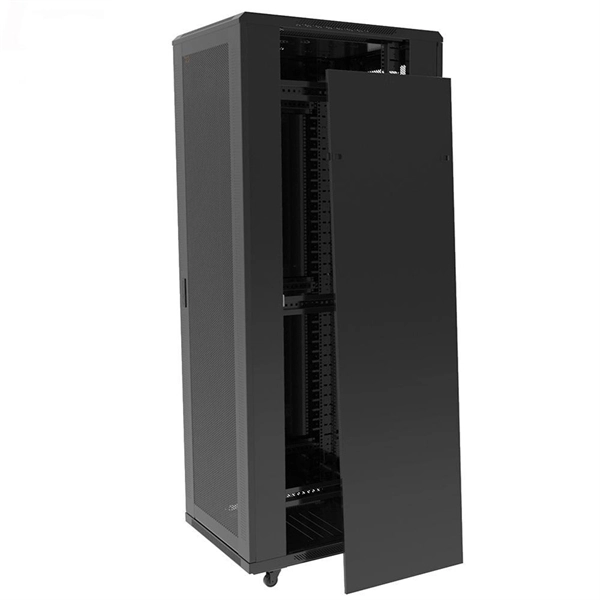
Learn the key Server Rack Components including switches, patch panels, servers, firewall, UPS, router, and storage units. Discover how they work together to ensure network performance, security, and uptime. Professional IT Infrastructure by VaultEdge IT. A server rack is a metal frame that holds and organizes your IT equipment—like servers, switches, and power supplies—all in one place. This guide shows you exactly what to install in your rack and how to build a clean, reliable setup at home. However, they may also contain routers and switches, storage devices, uninterruptible power supplies (UPSs), and. Airflow, cable management, mounting hardware, power distribution and many others are all factors that affect performance, scalability, and reliability. Understanding these components is essential for managing.
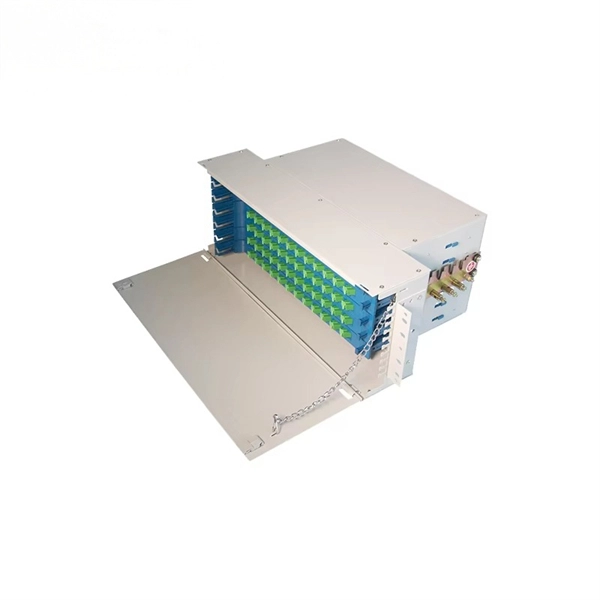
[pdf] Both rack-mount and wall-mount fiber patch panels organize and protect your network connections, but they're designed for different environments. The main difference comes down to space, capacity, and accessibility. It acts as a hub for organizing splices and patch cords, streamlining fiber management and preserving signal integrity. They typically come in 1U, 2U, or higher configurations, depending on the number of fiber ports they support. These patch panels are most commonly used in data centers, telecom rooms, and large-scale network. When building or upgrading a fiber network, choosing between rack-mount and wall-mount patch panels can have a big impact on performance, organization, and scalability.
[pdf] Estonia has taken a step to secure its role in Europe 's next phase of AI infrastructure by joining a Nordic consortium building sovereign computing capacity. The project is being developed with Nokia and currently includes Finland and Latvia. Run Claude Code, OpenClaw, RAG pipelines and smaller local language models on your own VPS. Why move AI onto a server? A laptop is for experimenting. With a strong track record and an operator-centric approach, we enable AI factories to scale, connect, and compete globally. LitAI Factory aims to transform Lithuania's HPC capabilities into a. Estonia Joins Nordic Push for Sovereign AI Infrastructure. The AI boom is global, and Estonia is among the most agile adopters of the technology — but now aims to catch up on the infrastructure part as well. This week, Estonian renewable energy.
[pdf] Most IT environments default to 42U, 19-inch width, and 1000–1200 mm depth unless space constraints or special equipment dictate otherwise. These recommendations align with common EIA-310 rack standards and modern enterprise server requirements. Below is a comprehensive. Common server rack sizes are 19‑inch width, heights like 42U or 48U, and depths from ~24″ to 48″. Choose size based on equipment type, cooling, space, and future growth. 45 mm), as defined by the EIA-310 used across the IT industry. These "truly custom" applications require a full-service custom enclosure and sheet metal fabricator. If you are not sure about rack unit (RU). The AMCO Enclosures Rack Configurator simplifies the complexity of planning and designing data and electronic racks into a fast, intuitive process. The AMCO Rack Configurator makes.
[pdf] FC, or Fibre Channel, is a separate network that is usually used for data storage. A typical setup includes: multipath connectivity. FC is often chosen for critical systems where stable latency and predictable behavior under load are important. Limited in terms of speed and. Fibre Channel hard disk drives (FC HDDs) are a type of server hard drive that uses the Fibre Channel interface to communicate with the host server. Fibre Channel is a high-speed network that is designed for data storage, and it offers much better performance than the SATA or SAS interfaces that are. Hard disk drives are accessed over one of a number of bus types, including parallel ATA (PATA, also called IDE or EIDE; described before the introduction of SATA as ATA), Serial ATA (SATA), SCSI, Serial Attached SCSI (SAS), and Fibre Channel.
[pdf]