Most IT environments default to 42U, 19-inch width, and 1000–1200 mm depth unless space constraints or special equipment dictate otherwise. These recommendations align with common EIA-310 rack standards and modern enterprise server requirements. Below is a comprehensive. Common server rack sizes are 19‑inch width, heights like 42U or 48U, and depths from ~24″ to 48″. Choose size based on equipment type, cooling, space, and future growth. 45 mm), as defined by the EIA-310 used across the IT industry. These "truly custom" applications require a full-service custom enclosure and sheet metal fabricator. If you are not sure about rack unit (RU). The AMCO Enclosures Rack Configurator simplifies the complexity of planning and designing data and electronic racks into a fast, intuitive process. The AMCO Rack Configurator makes.
[pdf] Cable trays: These trays mount vertically along the sides of the server rack, providing a pathway for cables to run smoothly. Understand the Problem: The “Messy Rack” In offices or data centers, a cluttered server rack. Position drawers in racks to allow enough space, where possible, for cable routing on the bottom and top of the rack, and between drawers. When a specific cable. Structured cable routing helps maintain clear airflow paths, which supports proper cooling and prevents overheating. It also simplifies maintenance by making cables easier to identify, access, and manage during upgrades or troubleshooting. Here is the rack layout that operators actually use to keep cabling clean, troubleshooting fast, and capacity available. Vertical managers on both sides. Which software helps? Docusnap automatically documents and.
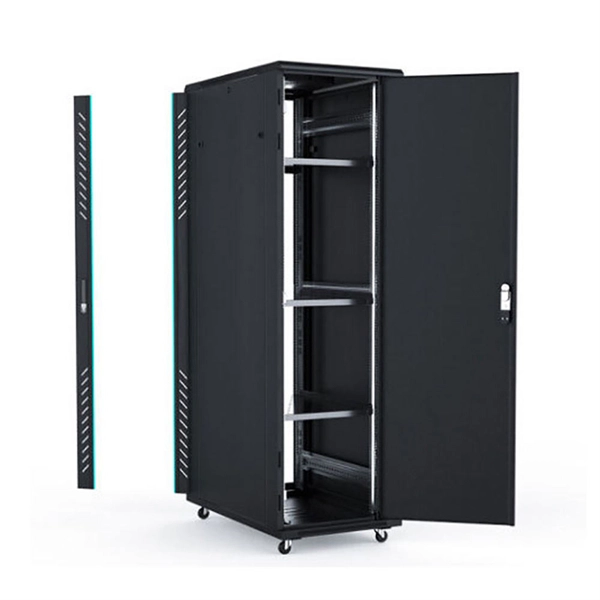
[pdf] Rack frame: The structural skeleton that holds all mounted devices. Shelves and drawers: Used for non-rackmountable devices or. Server racks help keep your IT equipment organized, secure, and running smoothly. From servers and switches to cooling fans and shelves, every part has a role. With the right setup, you'll improve airflow, save space, and make future upgrades much easier. Looking to build or upgrade your rack?A server rack, also known as a server cabinet, is a specialized metal frame structure designed to store and organize IT equipment. Height is measured in 'Rack Units' (U), where 1U equals 1.
[pdf] Cold air is directed to the front of server racks, while hot air released from the back is removed. Separating hot and cold airflow helps keep equipment at safe temperatures. After all, sealing these gaps (both within and along the sides of cabinets) often provides the greatest return on investment of any airflow management effort, both. Investing in rack-level thermal management is essential for sustainable and reliable data center operations. That means fewer issues, smoother operations. Always provide adequate space in front and behind the rack to allow for proper ventilation.
[pdf] Tighten everything first: Loose hinge screws are the most common culprit for sagging doors. A sagging door tilts downwards and to one of the sides, scraping away at the jamb every time you open or close it. When the door is open, it's hard to tell there's a problem. However, when left untreated, this minor inconvenience turns into a big issue. Close the door to check the sag by looking for uneven gaps along the top and latch side. more Audio tracks for some languages were automatically generated. Learn more Close. My old 3-unit condo has a nice old wooden entry door, with 3 horizontal rails and 2 vertical stiles, with a single large pane of beveled glass as the top panel. not square; the latch side is sagging below. Sagging doors are frustrating, but the good news is they're fixable with the right tools and tips.
[pdf]