A steel structure communication tower serves as a vertical, load-bearing framework designed to bear telecom equipment such as antennas, microwave dishes, and even radio transmitters. There are two main types: guyed and self-supporting structures. These tall steel structures support microwave, VHF/UHF, and cellular transmission while housing the active electronics that form the backbone of modern. Communication structures, including radio, microwave, and 5G towers, play a crucial role in modern society by enabling the transmission of information over long distances.
[pdf] What are the main types of telecom towers? The main types of telecom towers include lattice towers, monopole towers, guyed towers, rooftop towers, and camouflaged telecom towers. Each type is designed for specific load, space, and environmental requirements. Telecommunication networks form the backbone of modern connectivity, supporting mobile communication, data transmission, broadcasting, and emerging technologies such as 5G. They consist of a single, tall, tapered pole. Constructed with a steel framework, typically triangular or square in shape, they offer robustness and the. Self-Supporting Towers: Also known as free-standing or lattice towers, self-supporting towers are the most common type of telecom towers.
[pdf] 48-2023: Criteria For Safety Practices With The Construction, Demolition, Modification And Maintenance Of Communication Structures establishes criteria for safe work practices and training for personnel performing work on communication structures. Proper maintenance of these towers ensures reliable network performance, safety, and equipment longevity. These standards provide a comprehensive framework. It is a. Structural Standards for antennas and their supporting structures are outlined in ANSI/TIA-222. These set of standards comply with the International Building Code (“IBC”) while providing guidance for the procurement, design parameters, and maintenance and condition assessments of these antenna. Regular maintenance of telecommunication towers enables effortless connectivity to the system and provides a guarantee of network reliability.
[pdf] Telecommunication towers, also known as cell towers or cell sites, are structures designed to facilitate wireless communication by providing a platform for antennas and other equipment used to transmit and receive signals. These towers receive, amplify, and transmit radio signals, ensuring that mobile devices can make calls, send texts, and access the internet seamlessly across broad. Telecommunication towers are the unsung heroes in a world powered by instant communication and data exchange.
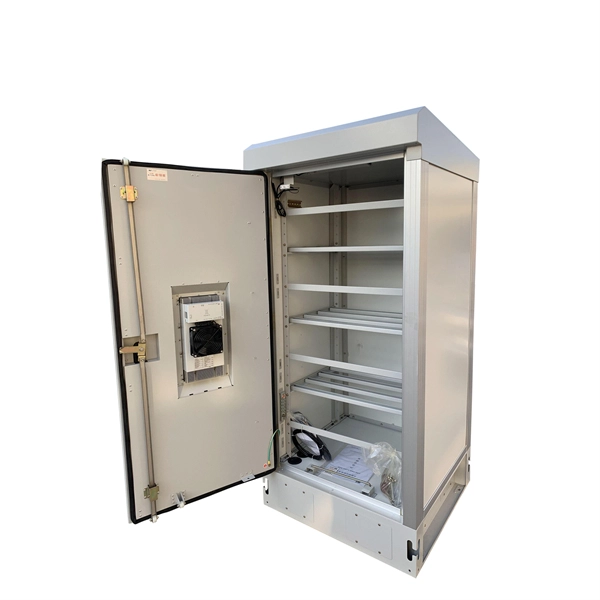
[pdf] The components of a telecommunication tower include antennas, transceivers, baseband units, power sources, cabling, and shelters, all working together to transmit and receive signals. Radio masts and towers are typically tall structures designed to support antennas for telecommunications and broadcasting, including television. There are two main types: guyed and self-supporting structures. These towering structures form the backbone of mobile networks, enabling everything from voice calls to high-speed internet access, making digital connectivity possible. Let's break down these essential elements: 1.
[pdf]