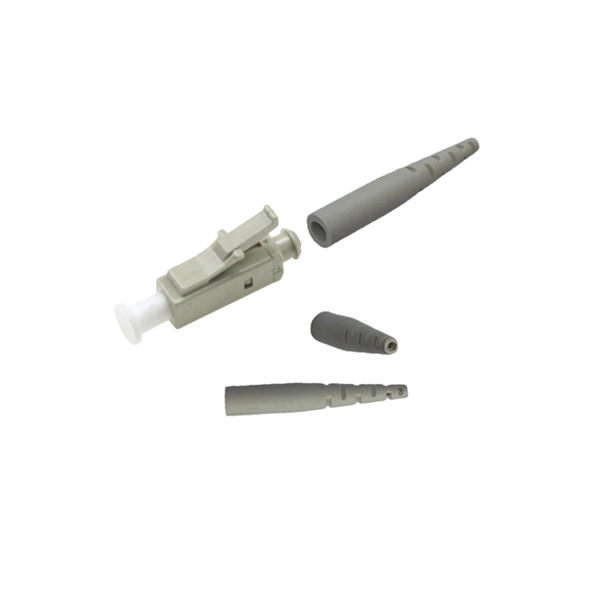
Fiber optic cable assemblies are essential components in modern fiber communication systems, designed to transmit data efficiently over long distances. These assemblies consist of meticulously designed fiber optic cables, connectors, and accessories that guide light signals. At Cables Unlimited, we provide high-quality fiber optic cable assemblies and custom cable manufacturing solutions to meet diverse business needs. We at Baymro Tech specialize in these—check out our custom fiber optic solutions if you're ready to upgrade. The receiver device converts light into data.
[pdf] In , a busbar (also bus bar) is a metallic strip or bar, typically housed inside,, and for local high current power distribution, transmission, or switching substations. They are also used to connect high voltage equipment at electrical switchyards, and low-voltage equipment in. They are generally uninsulated, and have sufficient stiffness to be s.
[pdf] Rack-integrated lighting systems refer to luminaires specifically mounted on or inside data racks, designed to provide direct illumination for equipment access, maintenance, and cable management. Unlike overhead lighting, rack lighting addresses blind spots inside enclosures and ensures technicians. We at PacLights understand that proper rack lighting transforms server room operations. Server rooms demand precise lighting calculations that general facility lighting cannot meet. One of the fun and cool things you can do with a home server rack is add lighting.
[pdf] A fiber optic cable is a cable that uses thin fibers of glass or plastic to transmit data as light signals. These cables work based on the principle of light refraction, which allows them to carry information across long distances, unlike regular copper wires, which use electrical. Covers the basics of fiber optic technology, including how light waves transmit data through thin strands of glass or plastic, and why fiber optics surpass copper in bandwidth, speed, and signal integrity. The purpose of this article is to provide the non-technical reader with an overview of these. The Romans must have been particularly pleased with themselves the day they invented lead pipes around 2000 years ago. At last, they had an easy way to carry their water from one place to another.
[pdf]