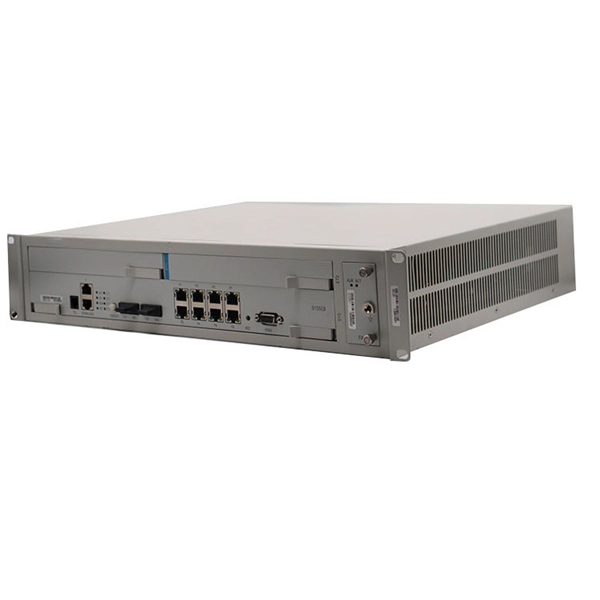
Fiber optic temperature sensors operate based on changes in light properties as it travels through the fiber. Suitable for long-range distributed temperature sensing. Fiber-optic high-temperature sensors are gradually replacing traditional electronic sensors due to their small size, resistance to electromagnetic interference, remote detection, multiplexing, and distributed measurement advantages. This makes them suitable for use in space applications and hazardous environments such as high-voltage machinery (e., generators, motors, transformers), nuclear power. Fiber-optical thermometers can be used in electromagnetically strongly influenced environment, in microwave fields, power plants or explosion-proof areas and wherever measurement with electrical temperature sensors are not possible.
[pdf] These sensors offer unique advantages over traditional sensors, making them gradually more valuable in a wide range of applications. They can detect extremely small variations in the physical parameters they are designed to measure, such as analytes in the case of biosensing. Sensing is achieved by. This is the power of fiber optic sensing, a technology that transforms ordinary optical fibers into the digital world's sensory network. In 2023, researchers turned submarine cables into earthquake warning systems and gave electric vehicles “optical nerves” to prevent battery failures.
[pdf] ADSS cables are produced through four main steps: HK-235 Fiber Coloring & Rewinding – colors 1–12 fibers for identification. HK-50 Loose Tube Line – extrudes PBT tubes with jelly filling. In the world of optical fiber, ADSS (All-Dielectric Self-Supporting) cable is unique. Wind & Ice (Mechanical Load) 2. ADSS cable production is a process that has traditionally been done by hand., steel wires, copper conductors) in its construction.
[pdf] The operating temperature range for optical fiber cables typically falls between -40°C to 70°C. This range ensures that the optical fibers can function effectively in a variety of environmental conditions without compromising their performance. Whether deployed in a -40°C Arctic research station, a 300°C industrial furnace, or a data center with fluctuating temperatures, fiber must maintain stable signal transmission to avoid costly outages. Recommended Cables: ADSS (All-Dielectric Self-Supporting) Cable: Placed on the overhead power lines.
[pdf] The easiest way to determine the type of your SFP module is by checking the label or the product's specifications. The distinction is important as it affects network performance, distance, and overall cost. Typically, single mode SFP modules are labeled as "SM" or "single mode," while multimode modules may be labeled as "MM" or "multimode. Dual fiber modules use two fibers. Precise verification prevents "Ghost Links" and Mode Field Diameter (MFD) mismatches that degrade 800G AI fabric performance.
[pdf]