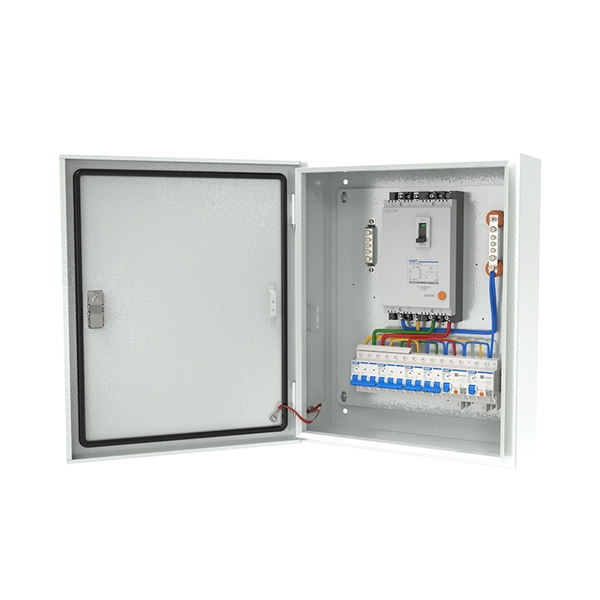
The proper installation of a distribution box involves placing it at the right height to ensure safety and convenience. Check for proper IP/NEMA ratings and material quality. Ensure safe placement: install in dry, accessible areas with good ventilation and at appropriate height (typically ~1. Practice good wiring: secure. The electrical panel, often referred to as the breaker box or service panel, serves as the main distribution hub for all electrical power within a home or building. Related Post: National Electric Code (NEC) Requirements for Panelboards According to BS 7671: 132.
[pdf] The proper installation of a distribution box involves placing it at the right height to ensure safety and convenience. However, the key to. The IEC (International Electrotechnical Commission) and BS 7671 (British Standard for Electrical Installations) both provide essential requirements for electrical installations, including those for fuse boards like garage unit, consumer unit and distribution board. Whether it is residential buildings, commercial facilities or industrial sites, the. The exposed bottom edge of the lighting box in the basement is 1. Ground-mounted foundations should be 50 to 100 mm above ground level.
[pdf] Check the electrical load and ensure that the sensors do not exceed the 10 Amp maximum. You rely on the safety protection function of a low voltage distribution box every day. It can occur due to overloaded circuits, short circuits, or ground faults. Do not touch live parts, turn off the corresponding power switch to avoid the risk of electric shock. Make sure the power supply is. A distribution board (DB) is the central component of any power distribution system, providing a safe and organized way to deliver electricity from the main supply to individual circuits.
[pdf] A typical home replacement for a 100–125A indoor panel runs about $1,200–$2,500 in parts and labor; a 200A outdoor upgrade with new meter socket can reach $3,000–$6,000. Assumptions: standard conduit routing, existing wiring reachable within 10–30 feet, and a single dwelling. Buyers typically pay for a full panel replacement, including labor, materials, and permits. Hiring a professional electrician will. Hourly Rates: Licensed electricians currently charge between $50 and $150 per hour, depending on regional demand and experience. Permit Fees: Mandatory electrical permits typically range from $50 to $300. Key cost drivers include panel amperage, number of circuits, location, and permit requirements.
[pdf] Since the 1970s, electric distribution cable has been installed underground in residential developments, business and office complex campuses, and government and educational facilities. Water, sewer and gas pipes had always been buried, but placing electric, telephone and later television cabling. Compared to overhead power lines, underground lines have lower risk of starting a wildfire and reduce the risk of the electrical supply being interrupted by outages during high winds, thunderstorms or heavy snow or ice storms. An added benefit of undergrounding is the aesthetic quality of the. Similarly, main telephone feeders and long-distance trunk lines have been buried for many years. It was a revolutionary advent, illuminating cities and turning the wheels of industry. Fast-forward to today, a massive shift is happening beneath our feet.
[pdf]