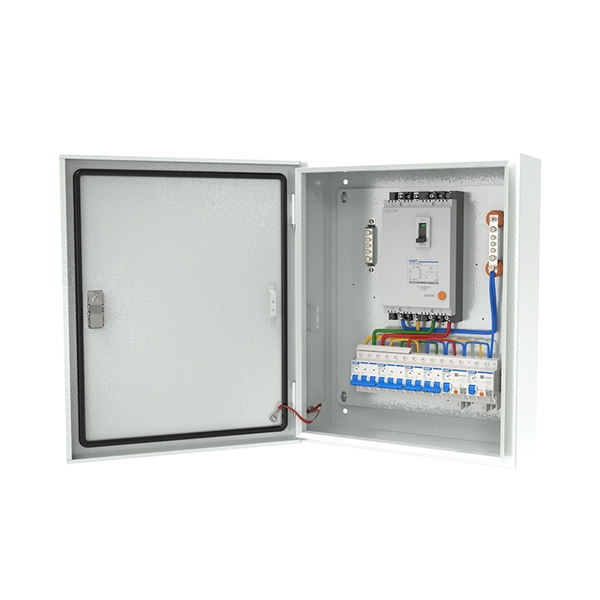
The proper installation of a distribution box involves placing it at the right height to ensure safety and convenience. Check for proper IP/NEMA ratings and material quality. Ensure safe placement: install in dry, accessible areas with good ventilation and at appropriate height (typically ~1. Practice good wiring: secure. The electrical panel, often referred to as the breaker box or service panel, serves as the main distribution hub for all electrical power within a home or building. Related Post: National Electric Code (NEC) Requirements for Panelboards According to BS 7671: 132.
[pdf] A power distribution box (also called PDU or distro) directs electricity from a main source to multiple circuits. It acts like a hub or traffic controller, managing power flow to different areas or devices. We also highlight how reliable manufacturers like NUOMAK support stable, compliant, and cost-effective power distribution. Understanding how power distribution boxes work is essential for engineers, technicians, and facility managers tasked with system performance and safety. Today, electrical systems are essential for homes and industries.
[pdf] The metal box of the distribution box, the electrical installation board, and the metal base and casing of the electrical appliances in the box must be grounded. The protective neutral wire should be reliably connected through the terminal board. When choosing one, check the IP or NEMA rating. The. Whether for residential, commercial, or industrial purposes, it is crucial to protect these wires from physical damage, environmental hazards, and operational risks. But what is wire guard, and how do you. Each switch box shall connect to and control only one associated piece of electrical equipment (including sockets).
[pdf] Check the electrical load and ensure that the sensors do not exceed the 10 Amp maximum. You rely on the safety protection function of a low voltage distribution box every day. It can occur due to overloaded circuits, short circuits, or ground faults. Do not touch live parts, turn off the corresponding power switch to avoid the risk of electric shock. Make sure the power supply is. A distribution board (DB) is the central component of any power distribution system, providing a safe and organized way to deliver electricity from the main supply to individual circuits.
[pdf] A typical home replacement for a 100–125A indoor panel runs about $1,200–$2,500 in parts and labor; a 200A outdoor upgrade with new meter socket can reach $3,000–$6,000. Assumptions: standard conduit routing, existing wiring reachable within 10–30 feet, and a single dwelling. Buyers typically pay for a full panel replacement, including labor, materials, and permits. Hiring a professional electrician will. Hourly Rates: Licensed electricians currently charge between $50 and $150 per hour, depending on regional demand and experience. Permit Fees: Mandatory electrical permits typically range from $50 to $300. Key cost drivers include panel amperage, number of circuits, location, and permit requirements.
[pdf]