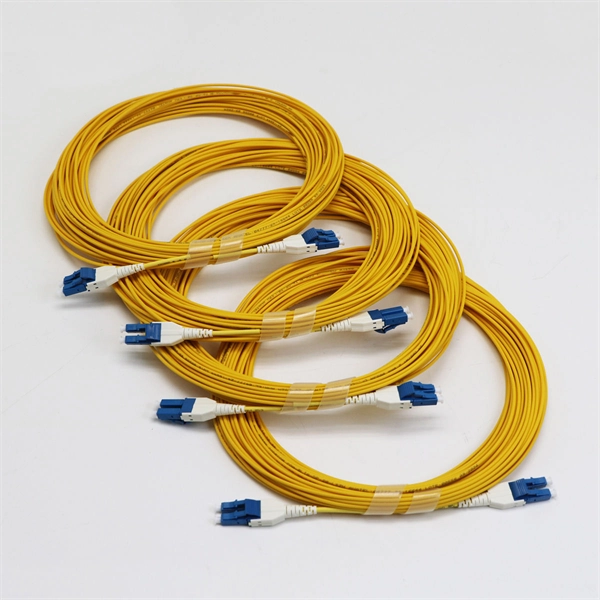
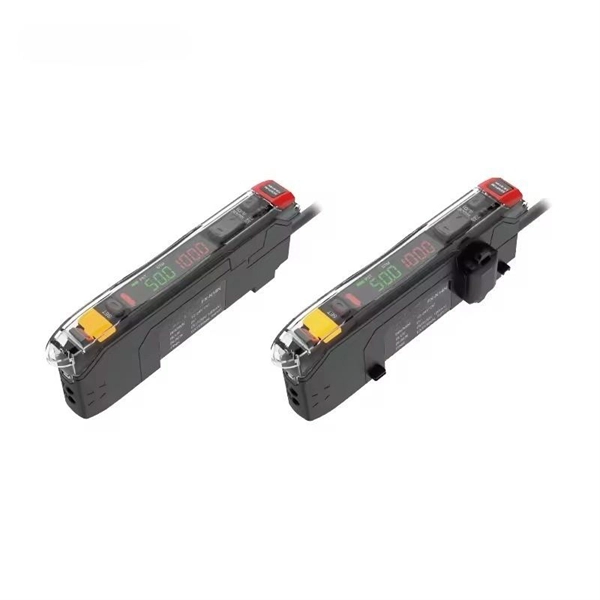
These products attach to standard connectors on the end of our fiber optic cables and position the lens at its focal length away in order to collimate the light. They are designed for specific wavelengths since the focal length of a lens shifts slightly with wavelength. In essence, a simple collimation lens is all that is needed for this purpose. Using the proper setup, fiber optic collimating lenses or ball lenses, and some optical know-how, you can achieve optimal collimation. Thorlabs' compact, ultrastable FiberPort micropositioners provide an easy-to-use platform for. How to Transforms a Collimated Laser Beam with Elliptical Cross-section into a Circular Beam or Vice Versa.
[pdf] Install connectors into the adapter by aligning the latch on the connector with the slot on the adapter and gently push into place. Most fibers can be mechanically stripped without the aid of chemicals or heat. The recommended cleaning solvent for connectors and tools is isopropyl alcohol (reagent grade, 99% or beter). Do not use acetone for cleaning. The connectors with PC finishes are completely intermateable with flat. SC fiber connectors, or Subscriber Connectors, are widely used in telecom and networking for their strong performance and easy handling. Use tweezers to pi k up cleaved or broken pieces of gla the end of a fiber that may be.
[pdf] Cut a 60mm x 40mm hole in drywall using a template. Secure the box with screws (ensure depth ≥40mm). Run incoming fiber cable through the box's entry port. Attach faceplate to. Installing a fiber wall socket (also called an FTTH outlet or optical termination point) is critical for maximizing your fiber internet speed and reliability. While ISPs often handle this, DIY installation can save time and money—if done correctly. Creating a good plan before laying your cables helps you to avoid mistakes. You should investigate the problems, such as. If you want to connect a fiber device such as a router to the network, you uncap one of the ports, you take a patch cable, and you then plug one end to the device, and another to that floor box.
[pdf] Most Fiber cables don't Need to be Replaced. If installed and protected correctly against technical and environmental conditions, they can last: 25–50 years (outdoor plant infrastructure, long-haul wiring) 15–30 years (indoor building wiring systems) 10–20 years (FTTH plant drop. Most Fiber cables don't Need to be Replaced. This article will explore the three core stages: fiber optic cable selection and installation, usage and maintenance, and aging assessment and replacement. Explore how to manage fiber optic cable lifecycle effectively—from cable selection and installation to maintenance and timely replacement. Improve network stability and sustainability with FS. From FTTH optics to industrial applications, backbone transmission, and cloud data centers, fiber cables can last for decades under appropriate installation and handling.
[pdf] Fibre-optic Link Around the Globe (FLAG) is a 28,000-kilometre-long (17,398 ; 15,119 ) mostly- that connects the,,, and many places in between. The cable is operated by, a subsidiary of. The system runs from the eastern coast of to Japan. Its Europe–Asia segment was the fourth longest cable in the world in 2008.
[pdf]