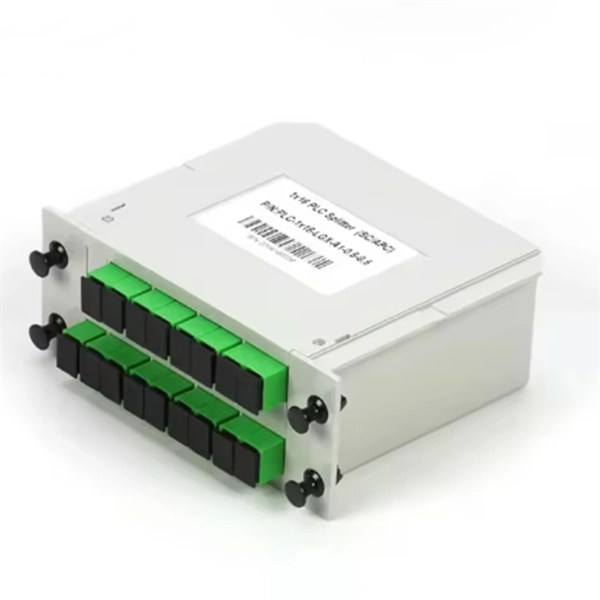
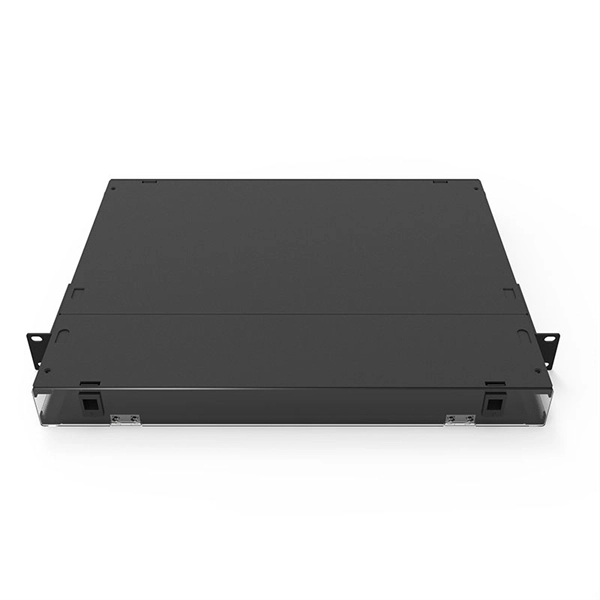
Learn the key Server Rack Components including switches, patch panels, servers, firewall, UPS, router, and storage units. Discover how they work together to ensure network performance, security, and uptime. Professional IT Infrastructure by VaultEdge IT. A server rack is a metal frame that holds and organizes your IT equipment—like servers, switches, and power supplies—all in one place. This guide shows you exactly what to install in your rack and how to build a clean, reliable setup at home. However, they may also contain routers and switches, storage devices, uninterruptible power supplies (UPSs), and. Airflow, cable management, mounting hardware, power distribution and many others are all factors that affect performance, scalability, and reliability. Understanding these components is essential for managing.
[pdf] A “U” rack dimension stands for a rack unit and refers to the height of a device that can be mounted in the server rack. This article explains definition, planning, installation tips, and trends. One of the key considerations in selecting the right rack is determining its optimal size. For this, a special unit of measurement, U, is used. In this blog, we explore what U-space means, why it matters, and the key. The choice of server and network racks is pivotal in data centres because it impacts the efficiency, security, scalability, and maintenance of the IT infrastructure, as well as space efficiency. What Is a Rack Unit (U)? Looking for the Right Server Rack? What Is a Rack Unit (U)? Looking for the Right Server Rack? What Is a Rack.
[pdf] Cold air is directed to the front of server racks, while hot air released from the back is removed. Separating hot and cold airflow helps keep equipment at safe temperatures. After all, sealing these gaps (both within and along the sides of cabinets) often provides the greatest return on investment of any airflow management effort, both. Investing in rack-level thermal management is essential for sustainable and reliable data center operations. That means fewer issues, smoother operations. Always provide adequate space in front and behind the rack to allow for proper ventilation.
[pdf] Most IT environments default to 42U, 19-inch width, and 1000–1200 mm depth unless space constraints or special equipment dictate otherwise. These recommendations align with common EIA-310 rack standards and modern enterprise server requirements. Below is a comprehensive. Common server rack sizes are 19‑inch width, heights like 42U or 48U, and depths from ~24″ to 48″. Choose size based on equipment type, cooling, space, and future growth. 45 mm), as defined by the EIA-310 used across the IT industry. These "truly custom" applications require a full-service custom enclosure and sheet metal fabricator. If you are not sure about rack unit (RU). The AMCO Enclosures Rack Configurator simplifies the complexity of planning and designing data and electronic racks into a fast, intuitive process. The AMCO Rack Configurator makes.
[pdf] Cable trays: These trays mount vertically along the sides of the server rack, providing a pathway for cables to run smoothly. Understand the Problem: The “Messy Rack” In offices or data centers, a cluttered server rack. Position drawers in racks to allow enough space, where possible, for cable routing on the bottom and top of the rack, and between drawers. When a specific cable. Structured cable routing helps maintain clear airflow paths, which supports proper cooling and prevents overheating. It also simplifies maintenance by making cables easier to identify, access, and manage during upgrades or troubleshooting. Here is the rack layout that operators actually use to keep cabling clean, troubleshooting fast, and capacity available. Vertical managers on both sides. Which software helps? Docusnap automatically documents and.
[pdf]