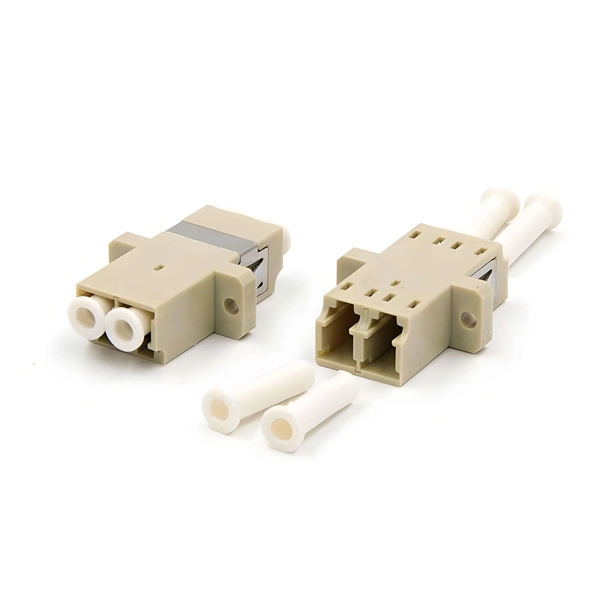
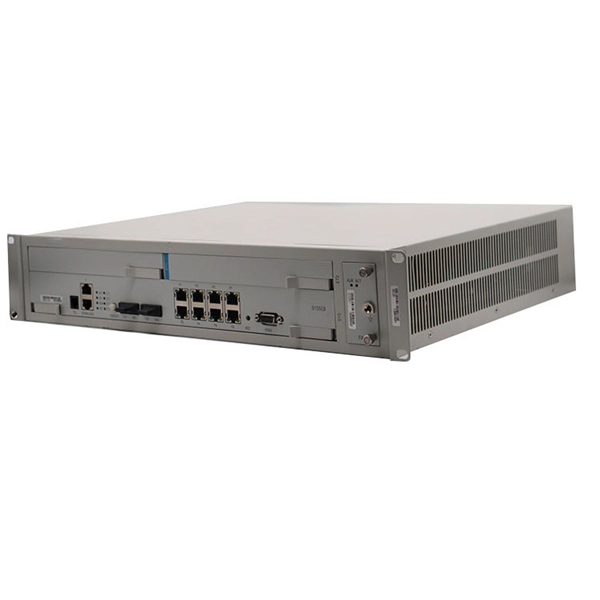
In this article, ETU-LINK will deeply analyze the differences between different 10G SFP+ dual-fiber optical modules from multiple dimensions such as technical parameters, transmission distance, optical fiber type, typical applications, etc., and guide you to make the optimal. The 10G SFP+ module is the standard transceiver form factor for 10 Gigabit Ethernet (10GbE) links in modern data centers and enterprise networks. ● Industry's smallest 10G. Building a 10G Ethernet network requires SFP+ optical modules as indispensable components.
[pdf] There are two primary types of fiber optic strain sensors: the intensity-based sensors and the interferometric sensors. Optical strain sensors (or strain gauges) are sensors for compressive and/or tensile mechanical strain (deformation) which are based on optical technology — in most cases, on fiber optics. As strain occurs, it alters the properties of the light traveling through the fiber, allowing for precise measurements.
[pdf] Fiber optic temperature sensors operate based on changes in light properties as it travels through the fiber. Suitable for long-range distributed temperature sensing. Fiber-optic high-temperature sensors are gradually replacing traditional electronic sensors due to their small size, resistance to electromagnetic interference, remote detection, multiplexing, and distributed measurement advantages. This makes them suitable for use in space applications and hazardous environments such as high-voltage machinery (e., generators, motors, transformers), nuclear power. Fiber-optical thermometers can be used in electromagnetically strongly influenced environment, in microwave fields, power plants or explosion-proof areas and wherever measurement with electrical temperature sensors are not possible.
[pdf] CPO optical modules put optical and electronic parts together. They make the signal path much shorter, from centimeters to millimeters. This can cut power use by up to half. CPO technology lets more data fit in. This article provides a comprehensive overview of CPO optical modules, exploring their technology, benefits, challenges, and the pivotal role they play in future data centers and AI infrastructure. 6T to handle massive AI workloads. Its through-line is the one point most coverage skips: CPO doesn't remove optics from your network — it relocates them to the host side, which changes. This technology has evolved from traditional board-edge optical modules to smaller and more integrated solutions. Co-packaged optics (CPO) has evolved as a solution to meet the growing demand for data.
[pdf]