Fiber optic temperature sensors operate based on changes in light properties as it travels through the fiber. Suitable for long-range distributed temperature sensing. Fiber-optic high-temperature sensors are gradually replacing traditional electronic sensors due to their small size, resistance to electromagnetic interference, remote detection, multiplexing, and distributed measurement advantages. This makes them suitable for use in space applications and hazardous environments such as high-voltage machinery (e., generators, motors, transformers), nuclear power. Fiber-optical thermometers can be used in electromagnetically strongly influenced environment, in microwave fields, power plants or explosion-proof areas and wherever measurement with electrical temperature sensors are not possible.
[pdf] There are two primary types of fiber optic strain sensors: the intensity-based sensors and the interferometric sensors. Optical strain sensors (or strain gauges) are sensors for compressive and/or tensile mechanical strain (deformation) which are based on optical technology — in most cases, on fiber optics. As strain occurs, it alters the properties of the light traveling through the fiber, allowing for precise measurements.
[pdf] We demonstrate the fabrication of fiber-optic Fabry–Perot interferometer (FPI) temperature sensors by bonding a small silicon diaphragm to the tip of an optical fiber using low melting point glass powders heated by a 980 nm laser on an aerogel substrate. The heating laser is delivered to the. Different fiber-optic sensors have different configurations. Besides, they exhibit high measurement speeds and high. Therefore, this type of sensors is inept for gauging temperature in microfluidic or nano-sized devices, in extreme marine environments, and underground geological sites where long distance measurement with precision is required.
[pdf] The operating temperature range for optical fiber cables typically falls between -40°C to 70°C. This range ensures that the optical fibers can function effectively in a variety of environmental conditions without compromising their performance. Whether deployed in a -40°C Arctic research station, a 300°C industrial furnace, or a data center with fluctuating temperatures, fiber must maintain stable signal transmission to avoid costly outages. Recommended Cables: ADSS (All-Dielectric Self-Supporting) Cable: Placed on the overhead power lines.
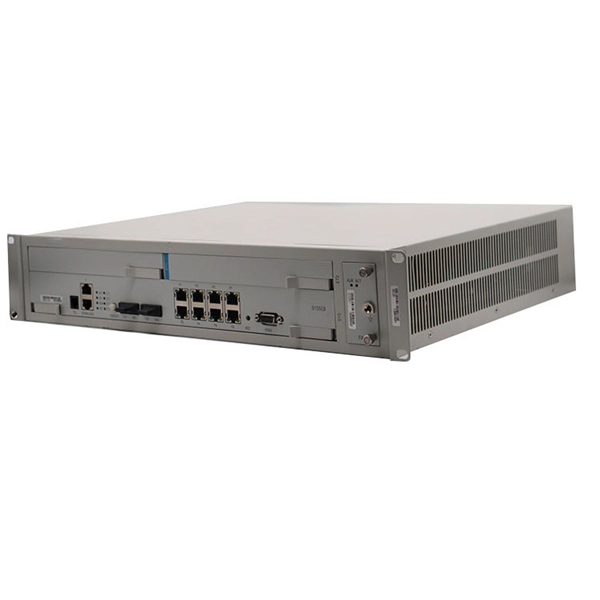
[pdf] Distributed Temperature Sensing (DTS) systems provide temperature information for accurate thermal monitoring, fire detection, and condition assessment by utilizing standard fiber optic cables. This paper reviews the sensing principle, structural design, and. Distributed temperature sensing (DTS) measures temperature distribution over the length of an optical fiber cable using the fiber itself as the sensing element. Initiated in the 1980s, DTS systems have undergone sig-nificant improvements in the technology.
[pdf]