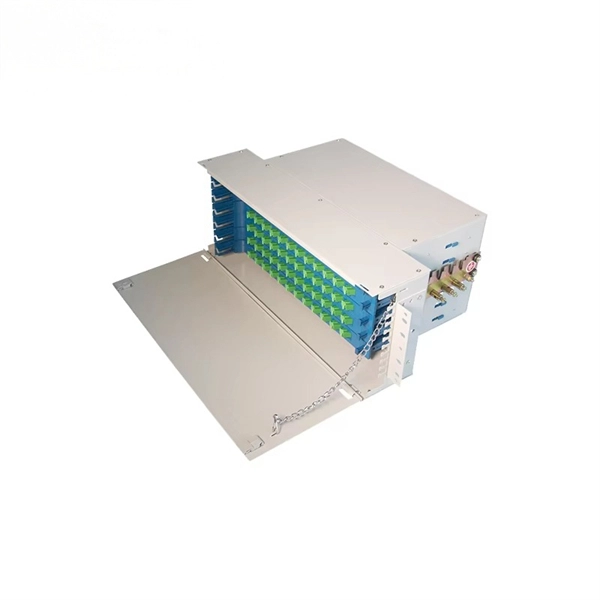
Both rack-mount and wall-mount fiber patch panels organize and protect your network connections, but they're designed for different environments. The main difference comes down to space, capacity, and accessibility. It acts as a hub for organizing splices and patch cords, streamlining fiber management and preserving signal integrity. They typically come in 1U, 2U, or higher configurations, depending on the number of fiber ports they support. These patch panels are most commonly used in data centers, telecom rooms, and large-scale network. When building or upgrading a fiber network, choosing between rack-mount and wall-mount patch panels can have a big impact on performance, organization, and scalability.
[pdf] To prevent static discharge in a server room, you must implement a comprehensive ESD control program that includes anti-static flooring, proper grounding for all equipment, and the mandatory use of personal grounding devices like wrist straps for all personnel. Often referred to by the term ESD. Controlling static in data centers is crucial for maintaining the reliability and longevity of critical electronic equipment. Static electricity can destroy sensitive electronic components via. Static electricity can cause significant damage to server hardware. The whole structure consists of a metal circuit, a protect bus, and a ground wire.
[pdf] Rugged rackmount computers can be purpose-built to operate in environments characterized by extreme temperatures, vibrations, dust, and humidity. Encased in durable chassis, these systems are engineere.
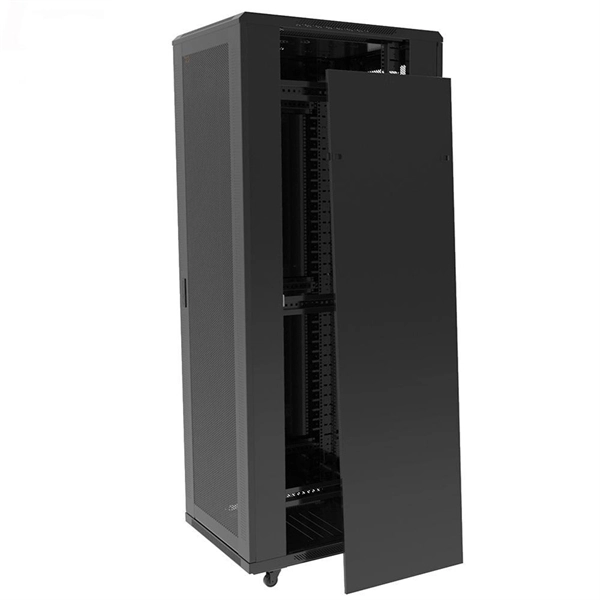
[pdf] Learn the key Server Rack Components including switches, patch panels, servers, firewall, UPS, router, and storage units. Discover how they work together to ensure network performance, security, and uptime. Professional IT Infrastructure by VaultEdge IT. A server rack is a metal frame that holds and organizes your IT equipment—like servers, switches, and power supplies—all in one place. This guide shows you exactly what to install in your rack and how to build a clean, reliable setup at home. However, they may also contain routers and switches, storage devices, uninterruptible power supplies (UPSs), and. Airflow, cable management, mounting hardware, power distribution and many others are all factors that affect performance, scalability, and reliability. Understanding these components is essential for managing.
[pdf] Estonia has taken a step to secure its role in Europe 's next phase of AI infrastructure by joining a Nordic consortium building sovereign computing capacity. The project is being developed with Nokia and currently includes Finland and Latvia. Run Claude Code, OpenClaw, RAG pipelines and smaller local language models on your own VPS. Why move AI onto a server? A laptop is for experimenting. With a strong track record and an operator-centric approach, we enable AI factories to scale, connect, and compete globally. LitAI Factory aims to transform Lithuania's HPC capabilities into a. Estonia Joins Nordic Push for Sovereign AI Infrastructure. The AI boom is global, and Estonia is among the most agile adopters of the technology — but now aims to catch up on the infrastructure part as well. This week, Estonian renewable energy.
[pdf]